

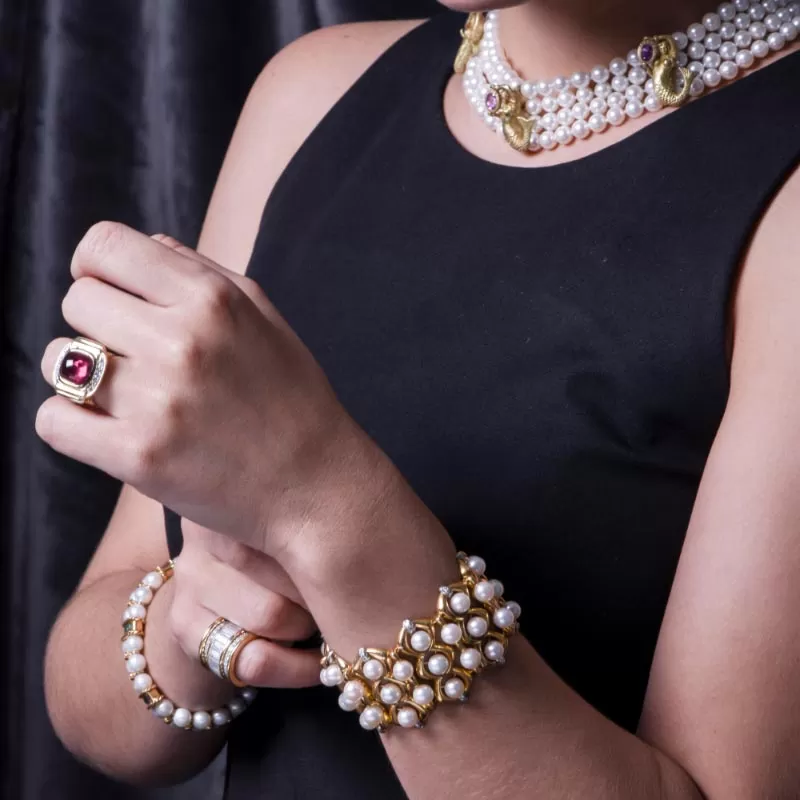
The modern fashion landscape changes at an incredible pace, driven by algorithmically generated micro-trends and ultra-fast fashion production cycles. Yet, amidst this rapid turnover of synthetic fabrics and machine-stamped accessories, a major shift is occurring. Consumers are turning their attention backward, sparking a massive resurgence in the popularity of vintage jewelry.
Pieces crafted several decades or even a century ago are no longer confined to antique shops or grandmother’s jewelry boxes. They are anchoring runway collections, dominating social media style feeds, and appearing on red carpets.
Understanding why vintage jewelry is trending requires looking beyond mere nostalgia. The phenomenon is driven by a combination of shifting consumer values, cultural changes, and economic realities. From the desire for sustainability to the pursuit of individual identity, heirloom pieces offer distinct advantages that modern mass-produced items cannot replicate.
The Appeal of Superior Craftsmanship and Unmatched Quality
One of the primary drivers behind the vintage jewelry trend is the stark contrast in quality between historic manufacturing and modern fast-fashion production. Jewelry from the mid-twentieth century and earlier was built to last.
Before the advent of high-speed mass production, jewelry making relied heavily on skilled artisans. Bench jewelers spent hours perfecting individual pieces, utilizing techniques that are rarely used today due to high labor costs.
-
Hand-Carved Details: Older pieces often feature meticulous hand-engraving, intricate filigree work, and milgrain edging (small rows of decorative beads along the edges of metal) that give the metal texture and depth.
-
Superior Metal Integrity: Vintage pieces were frequently made with substantial weights of gold, platinum, or sterling silver. Unlike modern gold-plated jewelry that wears down to a base metal within months, older gold-filled or solid metal pieces maintain their integrity for lifetimes.
-
Artisanal Stone Setting: Historic gemstone settings were completed by hand. Craftsmen carefully manipulated the prongs and bezels to secure stones safely, meaning vintage rings and brooches are often structurally sounder than their contemporary counterparts.
When consumers buy a vintage piece, they are investing in structural durability. The longevity of these items has already been proven by the fact that they survived decades in excellent condition.
The Sustainable Fashion Movement
Consumer awareness regarding the environmental and ethical impacts of their purchases is at an all-time high. The jewelry industry, particularly modern mining for precious metals and gemstones, carries a heavy environmental footprint. Traditional mining operations can cause severe soil erosion, deforestation, and water contamination through the use of toxic chemicals like cyanide and mercury.
Choosing vintage jewelry is an effective way to practice sustainable consumerism within the luxury space. It represents a closed-loop system where no new resources are extracted, refined, or transported across global supply chains.
-
Zero New Carbon Footprint: Buying an antique ring eliminates the carbon emissions associated with modern industrial mining and manufacturing.
-
Preservation of Resources: It extends the lifecycle of already existing refined metals and gemstones, keeping items in circulation and out of waste streams.
-
Ethical Peace of Mind: Many consumers worry about the labor conditions associated with modern gemstone mining. Vintage jewelry bypasses contemporary ethical concerns, as the materials were sourced long ago.
By opting for estate or vintage pieces, style-conscious consumers can enjoy luxury accessories without contributing to the ongoing depletion of natural resources.
The Search for Unique Personal Identity
In an era dominated by globalized retail chains, mass conformity has become a common frustration. A shopper can buy a necklace from a major mall retailer only to find thousands of other people wearing the exact same design. This saturation has fueled a deep desire for self-expression through one-of-a-kind items.
Vintage jewelry solves this issue by offering inherent exclusivity. Because many historic styles were produced in limited quantities or entirely by hand, the likelihood of encountering someone else with the same piece is incredibly low.
Exploring Design Eras
Each historic design period possesses a distinct visual signature, allowing buyers to select items that align precisely with their personal aesthetic preferences.
-
The Edwardian Era: Characterized by delicate, lace-like platinum designs, pearls, and a sense of ethereal lightness.
-
Art Deco: Known for bold geometric shapes, clean lines, high-contrast color combinations, and architectural structures that reflect the optimism of the machine age.
-
Retro Modern: Spanning the late 1930s and 1940s, this style features oversized, glamorous yellow and rose gold designs influenced by Hollywood glamour, often utilizing large semi-precious stones like citrine and amethyst.
-
Mid-Century Modernism: Embracing organic shapes, textured metals, and abstract designs that treated jewelry as wearable fine art.
This rich variety allows individuals to curate a jewelry collection that tells a story, acts as a conversation starter, and projects a highly personalized style that stands out from mainstream trends.
Financial Value and Long-Term Investment Potential
While contemporary retail jewelry experiences an immediate and significant drop in value the moment it leaves the store, vintage jewelry behaves more like a fine asset. The pricing of modern jewelry includes steep markups to cover corporate marketing campaigns, retail space overhead, and mass manufacturing profits.
Vintage jewelry pricing is tied closely to the intrinsic value of its raw materials and its historical scarcity.
-
Sustained Material Value: Gold, platinum, and high-quality precious stones historically appreciate over long horizons. Vintage items preserve this value directly in their raw material density.
-
Scarcity Premium: Collectors are willing to pay premiums for well-preserved pieces from specific designers or eras. As time moves forward, the supply of genuine, high-quality vintage jewelry decreases, driving up demand and value.
-
Lower Premium Loss: Buying pre-owned means the original retail markup has already evaporated. The buyer acquires the piece closer to its actual market value, making it easier to recoup the investment or turn a profit if sold in the future.
For these reasons, many young buyers view vintage purchases not as frivolous spending, but as a wearable form of financial diversification.
The Influence of Pop Culture and Red Carpet Fashion
The resurgence of vintage jewelry is also heavily accelerated by cultural tastemakers. Stylists for prominent celebrities have increasingly turned to historic archives to make statements at major events like the Academy Awards, the Met Gala, and international film festivals.
When a high-profile figure pairs a contemporary designer gown with an archival necklace from the 1960s or an Art Deco diamond bracelet, it signals to the public that historic luxury is the ultimate marker of sophistication. This visibility filters down through fashion media and social platforms, reshaping consumer aspirations.
Furthermore, popular television dramas set in different historical periods have ignited consumer interest in specific aesthetics. Wardrobe choices in period pieces show audiences how beautifully these accessories complement wardrobe ensembles, prompting viewers to search for authentic pieces from those periods to integrate into their daily wear.
How to Begin Collecting Vintage Jewelry
For those looking to enter the world of vintage jewelry, navigating the market requires patience and observation. Because the industry relies on verifying authenticity, building a foundational strategy ensures a successful collection journey.
First, focus on identifying proper markings. Authentic vintage pieces often feature maker marks, designer signatures, or purity stamps indicating metal content, such as 18K or Platinum. Familiarizing oneself with these small engravings helps verify origin.
Second, examine the wear patterns. Genuine vintage jewelry should show signs of minor, age-appropriate wear. Completely flawless surfaces on an item allegedly from the 1920s can sometimes be a red flag for a modern reproduction.
Lastly, partner with reputable dealers who specialize in estate and antique jewelry. Trusted experts can provide history, evaluate structural integrity, and offer insights into the care required to preserve these historic treasures for generations to come.
Frequently Asked Questions
What officially qualifies a piece of jewelry as vintage versus antique?
Jewelry is classified based on its age. Items that are at least one hundred years old are categorized as antique. Jewelry that is between twenty years old and one hundred years old is classified as vintage. Anything younger than twenty years is generally referred to as modern or contemporary pre-owned jewelry.
Can vintage jewelry be worn every day or is it too fragile?
Many vintage pieces are durable enough for daily wear, particularly those made of solid gold or platinum from the mid-twentieth century. However, certain gemstones like opals, emeralds, and pearls are softer and more prone to scratching or chemical damage. It is best to avoid wearing delicate pieces during strenuous activities or while using household cleaning chemicals.
How should vintage jewelry be cleaned without causing damage?
The safest cleaning method involves using lukewarm water, a few drops of mild, chemical-free dish soap, and a soft-bristled toothbrush. Avoid using ultrasonic cleaners or harsh chemical dips, as these can loosen old glue, damage organic gemstones like turquoise or pearls, and strip away the natural patina that gives vintage metal its historical character.
Why do some vintage diamonds look different than modern diamonds?
Older diamonds were cut by hand using distinct techniques before modern laser-cutting technology existed. Cuts like the Old Mine cut or Old European cut feature larger facets and different proportions designed to catch candlelight rather than harsh electric lighting. This gives vintage diamonds a softer, warmer, and deeper glow compared to the sharp brilliance of modern brilliant cuts.
Is it acceptable to resize a vintage ring or will it ruin the value?
Most vintage rings can be resized by a skilled jeweler without hurting their value, provided the process does not interrupt important hallmarks or designer signatures inside the band. However, rings with continuous patterns around the entire band, such as certain eternity bands or highly detailed Art Deco filigree rings, may be difficult or impossible to resize without altering the original design.
What does the term estate jewelry mean when shopping?
Estate jewelry is an umbrella term used to describe any piece of jewelry that has been previously owned. This category includes both vintage and antique items, as well as relatively modern pieces that are being resold. The term simply indicates that the item comes from the personal collection of a previous owner rather than direct factory production.