

Clothing serves as the canvas of personal style, but accessories are the brushstrokes that define the final image. A well-curated wardrobe consists of versatile foundational garments, yet it is the thoughtful addition of jewelry, belts, footwear, headwear, and bags that injects personality, context, and intent into an ensemble. Beyond aesthetics, accessories bridge the gap between functionality and fashion, allowing individuals to navigate different environments, seasons, and social settings without rewriting their entire wardrobe.
Understanding how to select, balance, and maintain accessories is a fundamental skill in modern wardrobing. When used correctly, accessories maximize the utility of existing garments, transforming a simple daytime outfit into an elegant evening look with minimal effort. This guide explores the strategic role of personal accoutrements, the science of visual balance, and how to build a collection that withstands shifting trends.
The Strategic Role of Core Accessories
Building an effective accessory collection requires focusing on pieces that offer both high visual impact and functional utility. Rather than acquiring vast quantities of inexpensive, fleeting items, investing in a core set of versatile pieces yields a more refined and enduring aesthetic.
Timepieces and Wristwear
A wristwatch remains one of the most expressive accessories available. While digital technology handles timekeeping for most of modern society, the analog timepiece persists as a symbol of craftsmanship and attention to detail.
-
Mechanical and Automatic Watches: These pieces represent an appreciation for traditional engineering. A classic steel or gold-cased watch with a leather strap seamlessly transitions from formal boardrooms to upscale social gatherings.
-
Minimalist Designs: Clean dials with simple markers offer a contemporary look that pairs effortlessly with casual attire, such as a knit sweater or a crisp white t-shirt.
-
Bracelets and Cuffs: Metal cuffs, woven leather bands, or minimalist chain bracelets add texture to the wrist. When worn alongside a watch, they should complement, not compete with, the timepiece metal or strap material.
Eyewear as a Structural Frame
Sunglasses and optical frames are unique because they sit directly on the face, influencing the first impression an individual makes. Eyewear should balance the natural geometric structure of the jawline and brow.
-
Round Faces: Angular, square, or rectangular frames add contrast and structure, defining the softer features of a round face shape.
-
Square Faces: Round, oval, or aviator-style frames soften strong jawlines and sharp angles, creating a more balanced visual symmetry.
-
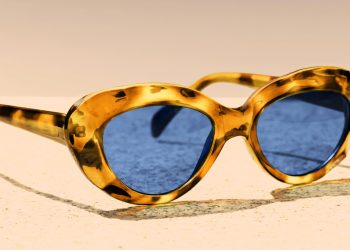
Material Matters: High-quality acetate frames offer depth of color and durability, while titanium and stainless steel provide lightweight, industrial elegance. The choice of lens tint also affects the overall mood of the outfit, with amber tones leaning warm and casual, and dark gray or green lenses offering a cooler, formal presence.
The Art of Visual Balance and Proportion
The most common mistake when accessorizing is overcrowding the visual field. Every outfit has a threshold for detail, and exceeding it creates visual noise that distracts from the individual. Achieving harmony requires understanding focal points and scale.
The Rule of Three
A reliable framework for daily styling is the rule of three, which dictates that an outfit should rarely feature more than three distinct types of prominent accessories at once. For example, if you are wearing a statement necklace, a bold watch, and a structural hat, adding large drop earrings and an ornate belt will clutter the look. If one accessory is large or visually complex, the remaining items should be understated and minimalist to allow the primary piece to anchor the ensemble.
Scale and Body Proportion
The physical size of an accessory must correspond to the frame of the wearer and the weight of the clothing fabrics.
-
Petite Frames and Fine Fabrics: Lightweight, delicate chains, small studs, and slim belts complement thinner body structures and airy fabrics like silk or linen. Heavy, oversized items can overwhelm the wearer.
-
Broad Frames and Heavy Fabrics: Thick leather belts, Chunky knit scarves, and large-faced watches match broader builds and heavy textiles like denim, tweed, and wool. Petite accessories tend to disappear when paired with bulky winter coats or structural tailoring.
Material Selection and Metal Matching
The longevity and aesthetic value of an accessory depend heavily on its material composition. Mixing textures and understanding metal tones ensures that your additions look intentional rather than accidental.
Demystifying Metal Tones
Traditional style rules once dictated that metals should never be mixed, requiring gold buckles to match gold rings and gold watch cases. Modern styling allows for more flexibility, but cohesion remains essential.
-
Determine Your Undertone: Cool skin tones with blue or purple veins generally pair best with silver, platinum, and white gold. Warm skin tones with greenish veins are complemented by yellow gold, brass, and copper. Neutral undertones can fluidly wear both.
-
Intentional Mixing: If you choose to mix metals, do so deliberately by choosing a multi-toned anchor piece, such as a watch featuring both stainless steel and gold elements. This creates a visual bridge that justifies the presence of different metal tones throughout the rest of your jewelry.
Premium vs. Synthetic Materials
Investing in natural, high-grade materials guarantees that accessories age gracefully, developing character rather than deteriorating.
-
Leathers: Full-grain and top-grain leathers are superior for bags, belts, and footwear. They develop a unique patina over time and can be conditioned and repaired. Synthetic alternatives like polyurethane often crack, peel, and degrade within a few seasons of regular use.
-
Textiles: Silk scarfs, cashmere wraps, and organic cotton caps offer superior breathability, drape, and comfort against the skin compared to synthetic polyester or acrylic options, which trap heat and pill quickly.
Seasonal Adaptability and Context
Accessories dictate the seasonal context of transitional garments. A simple black dress or a neutral suit can be worn comfortably across spring, autumn, and winter simply by swapping the supporting elements.
Cold-Weather Textures
Winter demands accessories that provide thermal utility while enhancing structural depth. Gloves made from supple leather lined with cashmere protect the hands while adding a sleek silhouette. Heavy-gauge knit beanies or structured wool fedoras add height and framing to winter coats. Scarves should be treated as major styling elements rather than afterthoughts; the method used to knot or drape a scarf can dramatically alter the neckline and perceived formality of an outer garment.
Warm-Weather Minimalism
Summer styling shifts the focus to lightweight breathability and protection from the elements. Straw boaters, panama hats, and woven canvas belts introduce organic textures that align with warmer temperatures. Jewelry often scales back to simple, sweat-resistant metals, while canvas or unlined leather totes replace heavy structural briefcases and structured leather handbags, reflecting a relaxed, functional approach to hot weather.
Frequently Asked Questions
How do I prevent sterling silver jewelry from tarnishing over time?
Tarnishing occurs when silver reacts with sulfur compounds in the air. To minimize this, store your sterling silver pieces in airtight containers or soft cloth pouches when not in use. Avoid exposing the jewelry to moisture, perfumes, lotions, and household chemicals, and gently polish the pieces with a microfiber cloth after wearing to remove oils from the skin.
What is the ideal width for a classic leather dress belt?
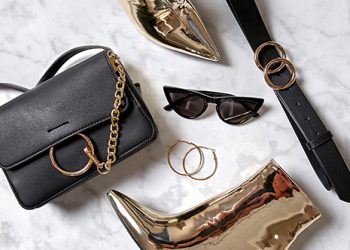
A classic dress belt intended for formal trousers or suits should typically measure between one and a quarter inches to one and a half inches in width. Narrower belts are reserved for highly formal or sleek modern tailoring, while wider belts measuring one and three-quarter inches or more are suited for casual environments, heavy denim, and utility wear.
Is it necessary to match my shoes exactly to my handbag or briefcase?
In contemporary fashion, an exact color and texture match between footwear and bags is no longer mandatory and can sometimes appear rigid. Instead, aim for complementary tones within the same color family, or ensure the formality levels match. For example, pairing dark brown suede boots with a tan leather briefcase works beautifully because the warm undertones unify the look without looking identical.
How do I clean and maintain a high-quality silk scarf?
Silk is a delicate natural fiber that should generally be dry-cleaned to preserve its sheen and structural integrity. For spot cleaning at home, hand wash the scarf in cold water using a mild, pH-neutral detergent designed for delicate fabrics. Never wring or twist silk; instead, roll it gently in a clean towel to absorb excess water and lay it flat to dry away from direct sunlight.
What are the key indicators of high-quality leather stitching on a bag?
Premium leather goods feature tight, evenly spaced stitches with heavy thread that sinks slightly into the leather surface. Look for saddle stitching, which uses two needles to create an interlocking pattern that will not unravel if a single thread breaks. Avoid bags with loose loops, frayed ends, crooked stitching lines, or visible glue along the seams.
Can hats damage your hair or cause premature hair loss?
Wearing a hat regularly does not cause hair loss unless the hat is excessively tight, which can cause friction and pull on the hair follicles, a condition known as traction alopecia. Ensure your hats fit comfortably without leaving deep indentations on your forehead, and choose breathable fabrics like cotton, wool, or straw to prevent sweat buildup along the scalp.