

The allure of outlet malls is undeniable. Sprawling retail complexes promise name-brand apparel, designer handbags, luxury kitchenware, and premium footwear at a fraction of standard retail prices. For many consumers, a weekend trip to an outlet center feels like a treasure hunt where saving money is guaranteed.
However, the retail landscape has evolved significantly over the past few decades. The original concept of an outlet store as a clearinghouse for excess factory inventory, overstock goods, and slightly flawed factory seconds has largely been replaced by a highly engineered corporate retail strategy. Today, navigating these shopping centers requires a keen eye and a healthy dose of consumer skepticism.
Without a clear understanding of how these modern discount hubs operate, shoppers can easily fall into psychological traps designed to increase average basket sizes. Avoiding common outlet store shopping pitfalls is essential to ensure that your perceived savings translate into actual financial benefits.
Assuming Everything Is an Overstock Regular Line Item
The single biggest misconception consumers hold when walking into an outlet store is believing they are browsing leftover inventory from traditional retail boutiques. Years ago, this was true. Today, the vast majority of merchandise found at major outlet malls is manufactured specifically for the outlet store.
Major brands regularly manufacture separate, lower-tier clothing and accessory lines exclusively for their outlet locations. These items never spend a single day on the shelves of a high-end flagship department store.
-
Cheaper Material Composition: An outlet specific sweater might utilize a synthetic polyester blend rather than the pure merino wool or cashmere found in the brand’s main retail stores.
-
Streamlined Hardware and Construction: Handbags destined for outlets frequently substitute heavy brass hardware for lightweight plated plastics, feature thinner interior linings, and skip premium reinforcement stitching.
-
Simplified Designs: To keep production costs low, manufacturers eliminate complex design elements, such as intricate embroidery, functional pockets, or custom buttons.
To protect yourself from paying too much for lesser quality, examine the clothing tags. Many brands use distinct marking systems, such as a row of small dots, a unique diamond symbol, or a specific style number code on the care tag to indicate the item was made specifically for a factory store.
Falling for the Illusion of Manufactured Discounts
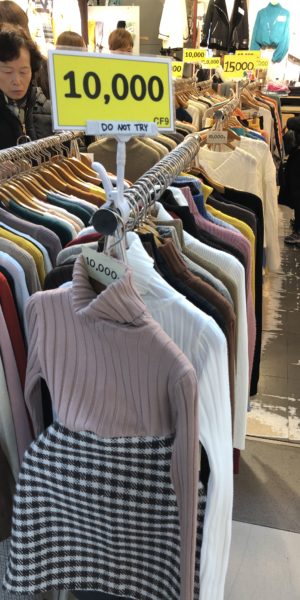
Psychological pricing plays a massive role in the outlet shopping experience. Walk into almost any factory store and you will be greeted by large signs proclaiming fifty percent off or an additional thirty percent off the lowest ticketed price.
The trap lies in the original Manufacturer Suggested Retail Price listed on the price tag. In many instances, the item was never intended to be sold at that high original price. The manufacturer inflates the anchor price solely to make the current discount appear monumental.
When you see a jacket marked down from two hundred dollars to eighty dollars, your brain registers a one hundred twenty dollar savings. In reality, the jacket may only be structurally worth eighty dollars based on its production costs and material quality. The discount is an illusion designed to create a sense of urgency, forcing a purchasing decision based on artificial value rather than actual product worth.
Ignoring the Final Sale and Return Policy Restrictions
Standard retail stores generally offer flexible return windows, often allowing customers thirty to sixty days to return merchandise for a full refund via their original payment method. Outlet stores operate under entirely different, much stricter rules.
Because outlet centers are designed to liquidate volume quickly, return policies are frequently minimized to prevent inventory from flowing backward.
-
Final Sale Clauses: Clearance racks, special holiday weekend promotions, and highly discounted items are almost always deemed final sale, meaning returns or exchanges are completely barred.
-
Shortened Return Windows: Many outlet brands restrict standard returns to a strict fourteen day window from the date of purchase.
-
No Cross Store Returns: You generally cannot return an item purchased at a brand factory outlet store to a regular boutique location of the same brand, even if you live much closer to the traditional retail store.
Always ask the cashier to clarify the return policy before swiping your card. If you are buying gifts or purchasing clothes without trying them on, a rigid return policy can quickly turn a bargain into wasted capital.
Skipping the Fitting Room Due to Long Lines
Outlet shopping can be physically exhausting. The stores are often crowded, disorganized, and chaotic, especially during peak weekend hours or major holiday sales events. Faced with long lines wrapping around the fitting room area, many shoppers choose to guess their size and head straight to the checkout counter.
This is a critical error for two distinct reasons. First, because outlet merchandise is often produced in separate factories with lower quality control standards, sizing consistency can vary wildly. A medium shirt from an outlet line may fit entirely differently than a medium shirt from the brand’s standard retail line.
Second, given the strict return policies mentioned previously, discovering an item does not fit well once you return home often results in a permanent loss. Unless you are willing to make a long return trip back to the outlet mall, that ill-fitting garment will simply sit unused in your closet. Treat the fitting room line as a mandatory checkpoint to protect your wallet.
Shopping Without a Premeditated List and Budget
The layout and atmosphere of an outlet center are engineered to trigger impulse buying behavior. The remote geographic location of most outlet malls contributes to a psychological phenomenon known as the sunk cost fallacy. Because shoppers often drive an hour or more to reach the complex, they feel compelled to buy something to justify the time, effort, and gasoline spent on the journey.
When everything is covered in bright discount signage, it becomes remarkably easy to buy items you do not need simply because they look inexpensive.
To combat this, formulate a strict shopping list before leaving your house. Detail the specific gaps in your wardrobe or household inventory that you intend to fill. Pair this list with a hard financial spending limit. If an item does not fit the criteria on your list, skip it, no matter how steep the advertised discount appears to be.
Neglecting to Check for Defects and Damage
While the majority of outlet merchandise consists of lower tier product lines made exclusively for the location, a small percentage does consist of actual retail store returns, damaged floor models, and factory seconds. Factory seconds are items that sustained minor manufacturing mishaps during production.
In the rush of a crowded outlet store, it is incredibly easy to overlook structural flaws that rendered the item unfit for traditional retail shelves.
Before committing to a purchase, take the item to a well-lit area of the store and perform a meticulous inspection. Check zippers to ensure they slide smoothly without catching. Examine seams for loose threads, fraying, or skipped stitches. Look closely for subtle fabric discoloration, small snags, misaligned patterns, or missing buttons. If you discover a minor defect that you can easily repair yourself, you can often use that information to negotiate an additional discount at the register.
Overlooking Online Prices While Inside the Store
The presence of a physical factory outlet store does not automatically guarantee it holds the lowest available price for a brand’s products. In the digital age, traditional retail websites run constant flash sales, promotional code events, and seasonal clearances that can match or beat outlet pricing.
Before bringing an item to the register, pull out your smartphone and check the brand’s main consumer website.
Look up the exact item or a comparable model on the standard retail site. You may discover that the regular retail version, crafted with superior materials, is currently on clearance online for a price identical to or lower than the outlet version. Additionally, check for digital coupons or mailing list sign-up discounts that can be applied to your physical purchase, as many outlet centers feature localized digital VIP clubs that offer extra savings codes.
Frequently Asked Questions
Why are outlet malls almost always located so far away from major cities?
Brands deliberately place outlet malls in remote areas to avoid direct competition with their own full price flagship stores located in urban centers and traditional malls. This geographical separation ensures that high-paying retail customers do not easily switch to buying lower-cost outlet goods, while also attracting dedicated bargain hunters willing to travel for discounts.
How can I verify if an outlet item was actually made for the outlet?
You can look closely at the interior clothing tags or logos. For example, some luxury brands place two small stamped diamonds on the leather tag of outlet bags, while major apparel brands often use a style number that begins with a specific letter or includes a distinct sequence of dots below the brand name to differentiate outlet inventory from retail stock.
Do outlet stores participate in holiday price matching with regular stores?
No, outlet stores operate on completely separate inventory and pricing structures than standard retail boutiques. They will not match prices, accept coupons, or honor promotions running at a brand’s traditional retail locations or third party department stores.
Are the shoes sold at outlet stores structurally identical to regular retail shoes?
Generally no. Shoes manufactured directly for outlet stores often substitute synthetic leathette or lower-grade bonded leather for premium full-grain leather. They also frequently feature glued soles rather than stitched construction and utilize less supportive foam cushioning inside the footbed to minimize production costs.
Can I use a brand’s gift card at their factory outlet location?
In most cases, official corporate gift cards issued by a brand can be redeemed at both their traditional retail boutiques and their factory outlet stores. However, independent boutique gift cards or regional department store gift cards cannot be used at brand-specific outlet storefronts.
Is it better to shop at an outlet store early in the morning or late at night?
Early morning on weekdays is the optimal time to shop at an outlet center. Stores are typically restocked overnight, meaning the selection is at its peak when the doors open, and you will encounter fewer crowds, shorter fitting room lines, and more attentive store associates.
Do outlet stores offer additional discounts for military, students, or seniors?
Many individual outlet stores do offer discrete stacking discounts ranging from five to fifteen percent for military personnel, students, or seniors, though these are rarely advertised on main signage. Always ask the associate at the register if any extra demographic discounts are available before completing your transaction.