


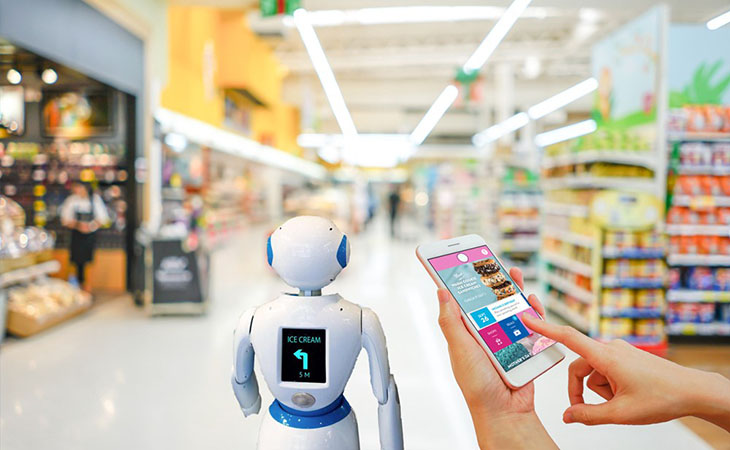
Artificial Intelligence (AI) has become one of the most transformative technologies in the digital era, revolutionizing how people shop, interact with brands, and make purchasing decisions. The role of artificial intelligence in online shopping extends far beyond automation. It is reshaping the entire e-commerce ecosystem by enabling personalized experiences, improving efficiency, predicting consumer needs, and driving smarter business operations. From product recommendations to fraud detection, AI is redefining how the retail industry functions in a world driven by data and convenience.
The Rise of AI-Powered E-Commerce
The integration of AI into online shopping did not happen overnight. It evolved as retailers sought more efficient ways to analyze customer data and deliver personalized experiences at scale. With the rapid advancement of machine learning, predictive analytics, and natural language processing, businesses gained the ability to understand consumer behavior with remarkable precision.
AI now powers nearly every aspect of the online shopping experience. It helps consumers find relevant products, assists them through chatbots, streamlines the checkout process, and even predicts future buying behavior. Retailers use AI to track preferences, anticipate needs, and create more human-like interactions, all while reducing operational costs and improving sales.
This technology has fundamentally changed how consumers perceive digital shopping. Shoppers no longer want a generic online experience; they expect intelligent, responsive, and intuitive interfaces that cater to their unique preferences.
Personalized Shopping Experiences
One of the most significant benefits of artificial intelligence in online shopping is personalization. Modern consumers expect websites and apps to understand their preferences, anticipate their needs, and recommend relevant products. AI makes this possible by analyzing vast amounts of data, including browsing history, purchase behavior, demographics, and even social media activity.
How AI Creates Personalization
- Behavioral tracking: AI algorithms monitor how users interact with a website, such as what they click on, how long they spend on certain pages, and what items they add to their carts.
- Recommendation engines: Using this data, AI systems predict what products are most likely to appeal to each individual. Personalized recommendations are now a key driver of online sales.
- Dynamic content delivery: AI adapts website layouts, product suggestions, and promotional banners in real time to reflect user preferences.
- Predictive analytics: By understanding shopping patterns, AI can suggest complementary products or anticipate future purchases.
This level of personalization builds trust and engagement. Consumers feel valued when brands understand their unique needs, leading to higher satisfaction and long-term loyalty.
The Role of AI Chatbots and Virtual Assistants
AI-powered chatbots and virtual assistants are revolutionizing customer service in online shopping. They provide immediate, 24/7 assistance, answering common questions, processing orders, and resolving issues without human intervention.
These chatbots use natural language processing (NLP) to understand and respond to customer queries in a conversational tone. The more interactions they handle, the smarter they become, learning from user behavior to improve accuracy and relevance.
Key Benefits of AI Chatbots
- Instant customer support: Shoppers no longer need to wait for live agents to respond.
- Efficient issue resolution: AI can handle routine queries such as shipping status, product availability, and return requests.
- Personalized recommendations: Chatbots analyze data from previous interactions to provide tailored product suggestions.
- Cost efficiency: Businesses save resources by automating repetitive tasks while maintaining consistent customer engagement.
AI-driven virtual assistants, such as voice-enabled shopping assistants, are also becoming popular. Consumers can now search for products, compare prices, and place orders using voice commands, making the shopping process faster and more intuitive.
Visual Search and Image Recognition
AI has enhanced how consumers discover products online through visual search and image recognition technology. Instead of typing keywords, users can upload or capture images to find similar products instantly.
This feature is particularly valuable in industries like fashion and home décor, where visual appeal drives purchasing decisions. AI analyzes the image, identifies patterns, colors, and textures, and then matches them with available products in the database.
Benefits of Visual Search
- Improved product discovery: Shoppers can easily find exact or similar products.
- Reduced search friction: Eliminates the need for precise keywords or product descriptions.
- Enhanced user experience: Makes browsing more engaging and convenient.
Retailers using AI-powered visual search tools report higher conversion rates and improved customer satisfaction, as consumers can quickly find what they are looking for without frustration.
Dynamic Pricing and AI-Driven Pricing Models
Pricing is one of the most critical factors in online shopping, and AI has transformed how it is managed. Dynamic pricing powered by machine learning enables retailers to adjust prices in real time based on market demand, competitor pricing, customer behavior, and even time of day.
This approach ensures that prices remain competitive while maximizing profitability. AI systems analyze historical data and identify patterns that help retailers predict when consumers are most likely to buy, allowing them to set prices that optimize conversion rates.
Advantages of AI in Pricing
- Real-time price optimization: Automatically adjusts prices for better sales performance.
- Competitive analysis: Monitors market trends and competitor pricing strategies.
- Customer segmentation: Offers personalized discounts or promotions based on shopping habits.
- Inventory management: Reduces excess stock through strategic pricing adjustments.
Dynamic pricing not only benefits retailers but also provides consumers with timely deals and fair pricing aligned with market trends.
Fraud Detection and Transaction Security
AI plays a crucial role in maintaining the security and integrity of online transactions. With the increasing volume of digital payments, fraud detection has become a top priority for e-commerce platforms.
Machine learning algorithms continuously analyze patterns in transaction data to detect unusual or suspicious activities. If a purchase deviates from a user’s normal behavior—such as an unusual location, device, or transaction amount—AI systems can flag it for review or automatically block the transaction.
How AI Enhances Security
- Real-time fraud detection: Identifies suspicious activities instantly to prevent losses.
- Behavioral analysis: Monitors user activity to distinguish between legitimate and fraudulent behavior.
- Biometric verification: Facial recognition, fingerprint scanning, and voice authentication strengthen identity protection.
- Adaptive learning: AI models continuously evolve to stay ahead of new fraud tactics.
AI-powered fraud prevention systems have significantly reduced chargebacks and unauthorized transactions, creating a safer environment for online shoppers.
Supply Chain and Inventory Optimization
Beyond the customer-facing aspects, artificial intelligence is transforming backend operations such as supply chain management and inventory control. Predictive analytics powered by AI helps retailers forecast demand, manage stock levels, and optimize logistics.
AI Applications in Supply Chain Management
- Demand forecasting: AI predicts future demand based on seasonal trends, customer preferences, and market conditions.
- Automated restocking: Ensures that popular items remain in stock while reducing overstocking.
- Route optimization: Improves delivery efficiency by identifying the fastest, most cost-effective shipping routes.
- Waste reduction: Helps minimize unsold inventory, contributing to sustainability goals.
AI-driven inventory management not only improves operational efficiency but also ensures that consumers experience fewer out-of-stock situations, enhancing satisfaction and retention.
Enhancing Customer Engagement with Predictive Analytics
Predictive analytics uses historical data to forecast future behavior, enabling businesses to anticipate customer needs. AI analyzes browsing habits, previous purchases, and demographic data to determine when a customer is likely to buy again or abandon a cart.
This insight allows businesses to take proactive measures, such as sending reminders, offering discounts, or recommending complementary products. Predictive analytics also helps brands segment their audience more effectively, targeting the right message to the right customer at the right time.
Real-World Applications
- Cart abandonment recovery: AI identifies users who left items in their cart and sends timely reminders.
- Product lifecycle management: Predicts when certain items will peak in demand.
- Customer retention: Helps identify at-risk customers and engages them with personalized incentives.
The ability to anticipate consumer behavior gives retailers a competitive edge, turning data into actionable insights that improve both sales and customer satisfaction.
The Future of AI in Online Shopping
Artificial intelligence will continue to evolve, making online shopping even more seamless, personalized, and efficient. The next generation of AI technology will focus on emotional intelligence, enabling systems to recognize and respond to human emotions. Augmented reality (AR) combined with AI will allow shoppers to virtually try products before purchasing, creating immersive shopping experiences.
AI will also play a critical role in sustainability, helping businesses minimize waste and optimize supply chains for lower environmental impact. As consumers demand greater transparency and personalization, AI will remain at the core of e-commerce innovation.
FAQs
Q1: How does AI improve the customer experience in online shopping?
AI enhances the shopping experience through personalization, quick support via chatbots, intelligent search tools, and accurate product recommendations tailored to each shopper.
Q2: Is AI safe to use in online shopping?
Yes, AI strengthens security through real-time fraud detection, biometric verification, and encrypted payment systems that protect user data.
Q3: How does AI benefit retailers in managing inventory?
AI predicts demand, automates restocking, and helps avoid overstocking or stockouts, improving efficiency and reducing operational costs.
Q4: Can AI replace human customer service in online shopping?
While AI chatbots handle routine queries efficiently, human customer service remains essential for complex issues requiring empathy and nuanced communication.
Q5: What is the future potential of AI in e-commerce?
AI will continue to evolve, integrating with technologies like AR, VR, and voice commerce to create smarter, more interactive shopping experiences tailored to individual consumers.
The role of artificial intelligence in online shopping is transforming not just how consumers shop but how businesses operate. As AI becomes more intelligent and accessible, it will redefine the retail landscape, setting new standards for personalization, convenience, and efficiency in the digital age.