

In general, handmade ornaments have been prized for their craftsmanship, details, and artistic aspects. Unlike other ordinary decorations, handmade ornaments are made in a step-by-step approach, which requires skill and patience. People who are interested in collecting Radko ornaments, among other decorations, are often fascinated by the amount of work put into each design, especially since handmade ones are not made by machines but are painted and crafted one by one.
The Origins of Handmade Ornament Craft
The idea of making ornaments has been around for centuries, especially in areas where glasswork is prominent. The first ornaments were made from natural sources such as wood, clay, paper, or fabric. However, as glasswork evolved and more advanced techniques were developed, glass ornaments were made with the capability of being designed into detailed shapes such as animals, fruits, and other shapes, depending on the season.
This process required a lot of expertise, and the skills were often transferred from one generation to another. Today, the making of ornaments is done using techniques that are almost similar to the original ones. The process usually involves a number of steps where a professional is responsible for a specific step.
Shaping the Ornament
One of the most famous techniques of making handmade ornaments is through a process called glassblowing. During this process, a tube of glass is heated until it is soft and pliable. Air is blown through the tube of glass, and at the same time, the artisan begins to shape the glass. It is important to take caution during this stage because the glass hardens quickly and may break if mishandled.
For ornaments made of other materials, the process of shaping may involve carving, molding, and assembling parts of the ornament by hand. For example, if the ornament is made of clay, it is shaped using molds and sculpting tools before being fired in a kiln. On the other hand, if the ornament is made of wood, it is carved before being sanded to a smooth finish. However, the stage of shaping defines the general form of the ornament.
Adding Details and Decoration
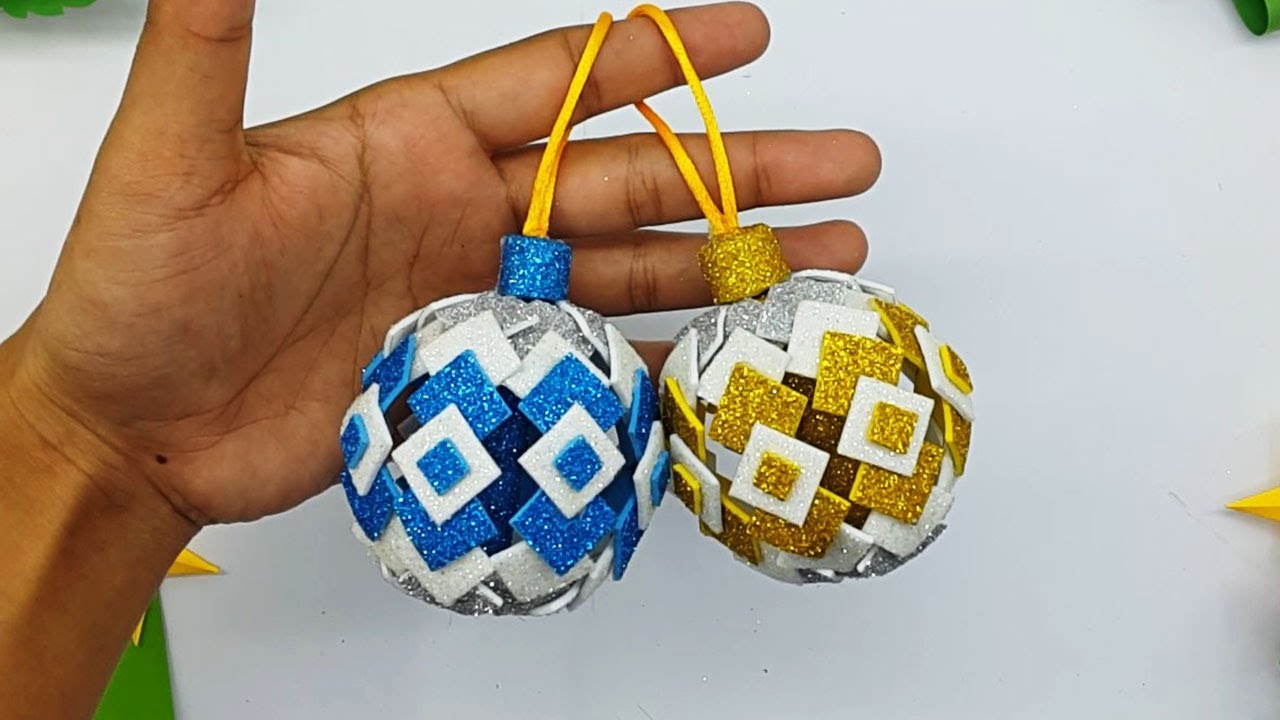
Once the shape is completed, the ornament proceeds to the decoration stage. This is a significant step in the making of the ornament, as much skill is required as in the actual making of the ornament. Artists decorate the ornament with their own hands using small brushes. This allows them the opportunity to come up with unique designs on the ornament. It is common in most workshops for different artists to concentrate on different aspects of the decoration of the ornament.
Some ornaments are glazed with glitter or other finishing coats that give them a polished look. Not only does this make the ornament look better, but it also ensures the longevity of the designs on the ornament. Because the decoration is done with the hands of the artist, no two ornaments look the same. This is what makes them special.
Drying, Finishing, and Inspection
After the decoration, the ornaments have to be set aside and allowed to dry completely before being handled or packed for storage. This is an important process because the paint, glue, and other materials used could be damaged if the ornament is handled before it dries completely. In some cases, the ornaments have to be baked in order to make the paint more long-lasting.
Each ornament is checked before it is deemed complete. The checking process ensures that the ornament has the correct shape, the paint is clean, and it meets the required quality. Handmade ornaments may undergo several checking processes since even minute imperfections may affect the final product.
Why Handmade Ornaments Remain Popular?
Despite the advancement in technology, handmade ornaments still remain popular, especially because they represent the theme of tradition, creativity, and craftsmanship. Some people prefer using ornaments with signs of being handmade, as these types of ornaments have a personal touch.
People who appreciate the use of Radko ornaments and similar types of handmade ornaments understand the hard work and time involved in crafting each ornament. This is because the process of crafting these ornaments is quite detailed and is a reflection of the craftsmanship involved in the making of these ornaments.